
Psychotic disorders are mental health conditions in which a person experiences psychosis—a cluster of symptoms that reflects a disrupted sense of reality. During psychosis, changes in thinking and perception make it hard to tell what’s real from what isn’t.
We incorporate integrative therapies to provide mind and body wellness.
Psychotic disorders arise from a combination of genetic vulnerability, neurodevelopmental and neurochemical changes (including dopamine and glutamatergic circuit dysregulation), and environmental factors (stress, trauma, sleep deprivation, substance use). Medical and neurologic illnesses can directly cause psychosis, especially in older adults.
Common triggers of a psychotic episode include stress, mood episodes, substance use (e.g., cannabis, stimulants, hallucinogens), sleep loss, and certain medical conditions or medications.

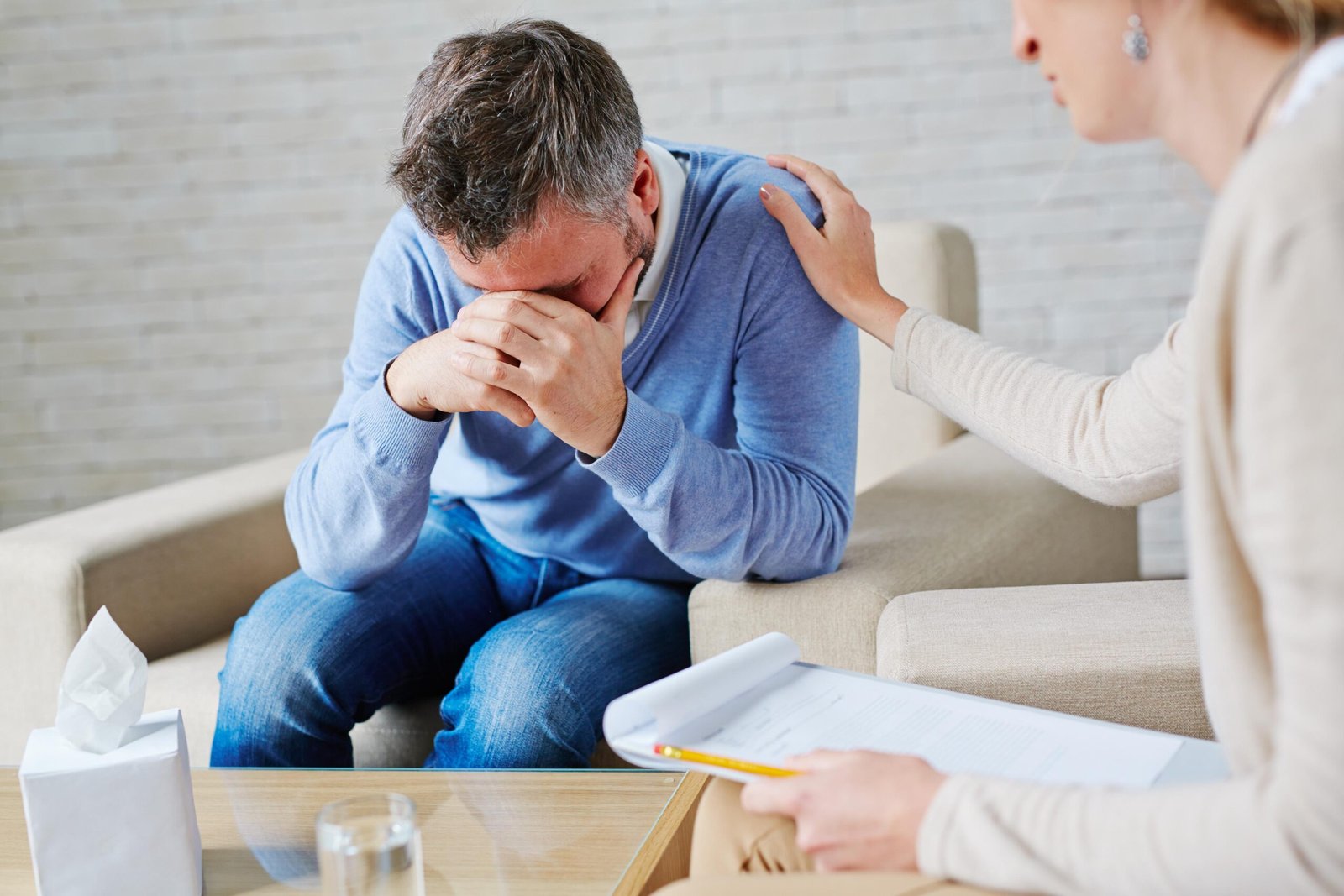
There are many other mental illnesses that can have psychosis as part of their symptoms.
Early, coordinated care improves outcomes. Plans are individualized and typically combine medication, psychotherapy, family education, and practical supports.
1. Medications
2. Psychosocial Interventions
3. Health Monitoring & Safety

We use cookies to enhance your browsing experience. serve personalized ads or content and analyezn our traffic. By clicking "Accept All" your conset to our use of cookies.
Manage your cookie preferences below:
Essential cookies enable basic functions and are necessary for the proper function of the website.
These cookies are needed for adding comments on this website.
Google reCAPTCHA helps protect websites from spam and abuse by verifying user interactions through challenges.