
PTSD is a mental health condition that can develop after experiencing or witnessing a traumatic event (e.g., combat, sexual assault, serious accident, natural disaster, or the sudden death of a loved one). Feeling fear and hyper-alert right after trauma is normal. Most people improve over time; in PTSD, distress and danger signals persist or return and interfere with daily life.
We apply precision medicine protocols in your evaluation and care plan.
Symptoms vary by person and may start soon after trauma or be delayed. They often fluctuate over time.
1. Intrusion (re-experiencing)
2. Avoidance
3. Negative changes in mood and thinking
4. Arousal/reactivity
If symptoms last >4 weeks, cause significant distress/impairment, and are not better explained by another condition, PTSD may be present.
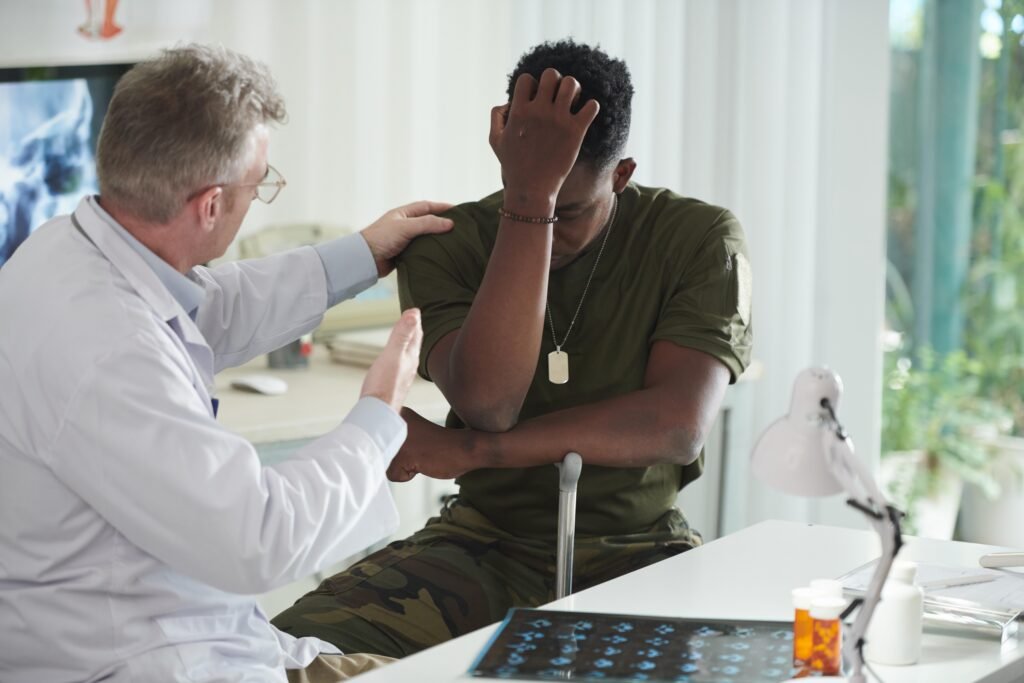
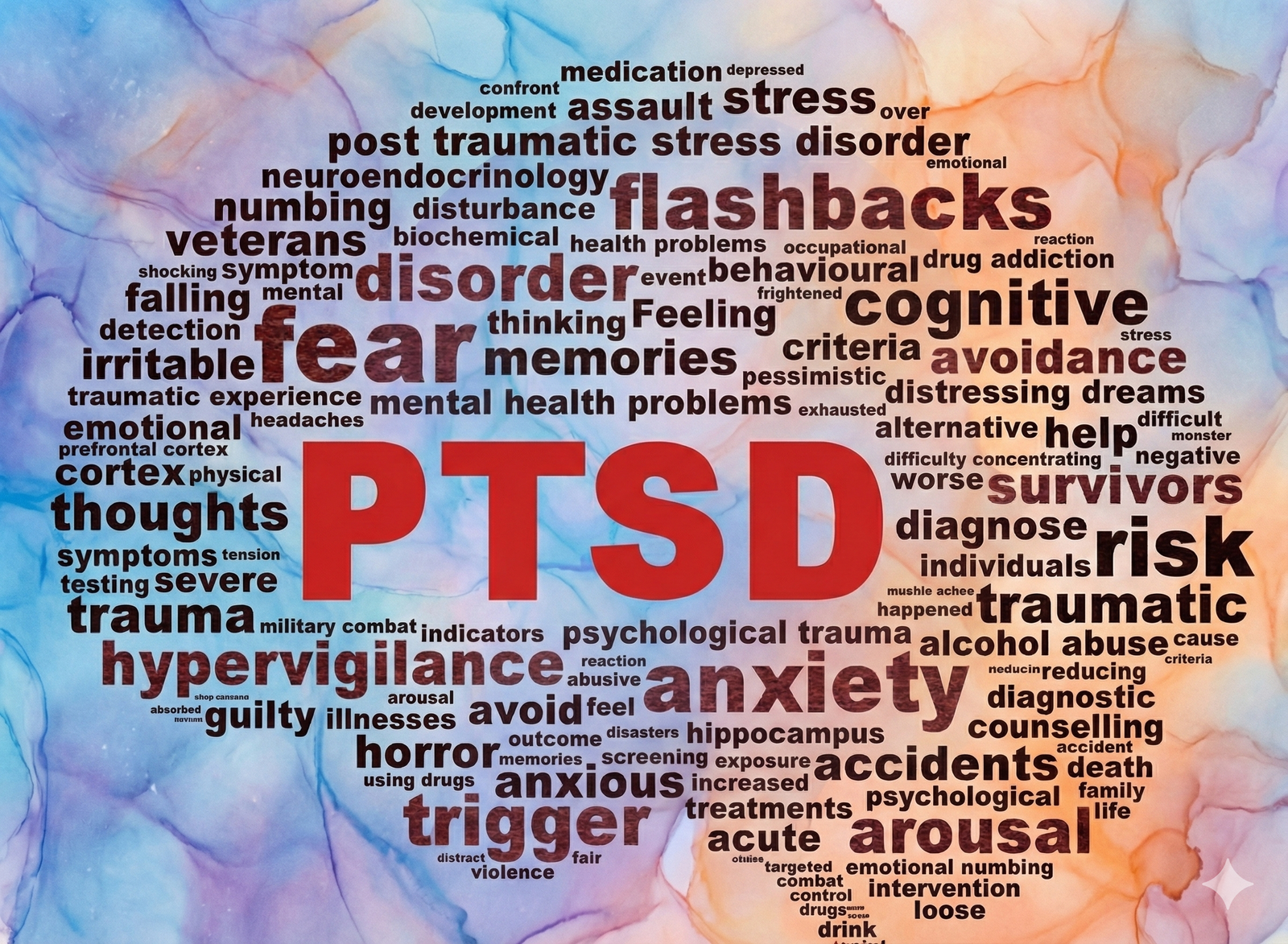
We are committed to delivering outstanding care and empowering you to regain control of your mental health.
Traumatic events and PTSD are treatable. Effective care is individualized and may combine psychotherapy, medication, and lifestyle strategies.
1. Trauma-focused psychotherapies (first-line):
2. Medication:
3. Complementary supports (adjuncts):
4. Resilience factors / secondary prevention:
We use cookies to enhance your browsing experience. serve personalized ads or content and analyezn our traffic. By clicking "Accept All" your conset to our use of cookies.
Manage your cookie preferences below:
Essential cookies enable basic functions and are necessary for the proper function of the website.
These cookies are needed for adding comments on this website.
Google reCAPTCHA helps protect websites from spam and abuse by verifying user interactions through challenges.